

If you have searched for TCM massage Singapore, Chinese massage Singapore or traditional Chinese medicine massage, you are probably looking for relief that goes deeper than a spa relaxation session. In Singapore, TCM bodywork is a therapeutic discipline that uses hands-on techniques, suction cups and scraping tools to ease muscle tension, support circulation and restore movement.
At Aimin TCM Clinic, bodywork is offered alongside acupuncture, herbal medicine and modern wellness technology. This guide explains the most common TCM bodywork options available in Singapore, what each one feels like and how to choose the right approach for your concern.
How TCM massage differs from a regular spa massage
A typical relaxation massage focuses on reducing stress and improving general comfort. TCM bodywork is assessment-driven: the therapist looks at posture, movement, painful points and sometimes pulse or tongue findings before choosing techniques. The goal is not only relaxation, but also restoring the smooth flow of Qi (vital energy) and blood through the body’s meridian channels.
Because of this, TCM massage can feel more targeted and intense. You may feel pressure, stretching or deep kneading around tight knots and along muscle lines. Communication is important—tell your therapist if the pressure is too strong.
Common TCM bodywork options in Singapore
1. Tui Na (Chinese therapeutic massage)
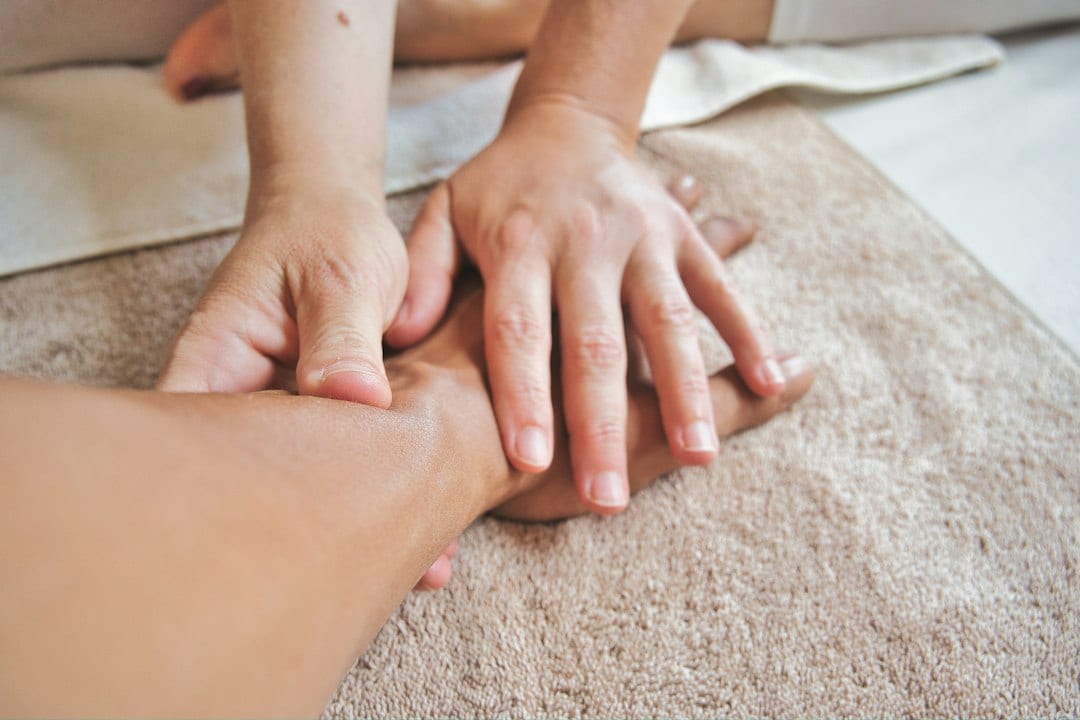
Tui Na is the best-known form of Chinese massage therapy. It combines kneading, pressing, gliding, rolling and joint mobilisation along meridians and muscles. Tui Na is often used for:
- Neck, shoulder and lower-back tension
- Headaches and stress-related tightness
- Sports strains and limited range of motion
- General fatigue and poor circulation
Sessions are usually performed with the client partially clothed or covered with a towel, and no oil is required. A course of treatments is often recommended for chronic issues.
2. Cupping therapy (Ba Guan)
Ba Guan is a TCM therapy in which glass or silicone cups create gentle suction on the skin. The suction lifts the fascia and superficial muscle layers, which may help release deep tension and improve local circulation. In Singapore, cupping is commonly requested for:
- Back and shoulder stiffness
- Desk-bound posture problems
- Respiratory discomfort or “heatiness”
- Recovery after exercise
The circular marks left by cupping usually fade within a few days to a week. They are not bruises in the usual sense, but signs of blood and fluids being drawn to the surface.
3. Gua Sha (scraping therapy)
Gua Sha uses a smooth-edged tool, often jade or buffalo horn, to scrape the skin in repeated strokes. This produces light red or purple petechiae called sha. It is commonly applied to the back, neck and shoulders to:
- Release tight fascia and muscle knots
- Ease tension headaches
- Support the body during early cold symptoms
- Improve local blood flow
Like cupping, Gua Sha marks fade within several days. The treatment should not break the skin when performed correctly.
4. Acupressure and point work
Acupressure applies sustained finger pressure to specific TCM points along the meridians. It is often incorporated into Tui Na or used on its own for people who prefer a gentler, needle-free option. It may help with nausea, headaches, menstrual discomfort and stress.
Choosing the right TCM bodywork option
| Your goal | Option to consider | What to expect |
|---|---|---|
| General muscle pain and stiffness | Tui Na | Deep pressure, stretching, possible mild soreness after |
| Tight upper back and shoulders from desk work | Cupping (Ba Guan) | Suction sensation, circular marks for a few days |
| Fascial tension or early cold symptoms | Gua Sha | Scraping strokes, red patches that fade |
| Needle-free point relief | Acupressure | Gentle, focused pressure on specific points |
What happens during a TCM massage session in Singapore
A typical visit begins with a consultation. The therapist or TCM physician asks about your pain history, lifestyle, sleep and stress levels. Depending on the clinic, they may also check your pulse and tongue as part of TCM diagnosis.
The bodywork itself usually lasts 30 to 60 minutes. You may receive one modality, such as Tui Na, or a combination of massage, cupping and Gua Sha. Some clinics also prescribe herbal medicine, medicated plasters or heat therapy to extend the benefits at home.
After the session, it is sensible to drink water, avoid strenuous exercise for a few hours and keep any cupped or scraped areas warm and protected from cold drafts.
Safety considerations and when to avoid TCM bodywork
TCM massage and related therapies are generally safe when performed by trained therapists, but they are not suitable for everyone. You should inform your therapist if you:
- Are pregnant, especially in the first trimester
- Have a bleeding disorder or are taking blood-thinning medication
- Have severe osteoporosis, fractures or recent surgery
- Have open wounds, skin infections or severe eczema in the treatment area
- Have a fever, active infection or unmanaged high blood pressure
- Are undergoing cancer treatment without medical clearance
If you are unsure whether TCM bodywork is appropriate for your condition, consult a registered TCM physician or your doctor first.
How Aimin approaches TCM bodywork
At Aimin TCM Clinic, bodywork is part of a broader TCM care plan. Our therapists and physicians provide Tui Na massage, cupping therapy, Gua Sha, acupuncture and herbal medicine, supported by modern wellness technology such as Bio Melt & Tone and EMC Hiems where appropriate.
We operate two branches in Singapore—Central and East—and our approach is guided by the belief that modernisation meets tradition: time-tested TCM methods combined with contemporary assessment and equipment for a personalised therapeutic experience.
The right TCM bodywork option depends on your symptoms, lifestyle and comfort level. A short consultation is usually enough to match you with the most suitable therapy.
Frequently asked questions
Is TCM massage painful?
TCM massage can feel intense, especially around tight muscles, but it should not be unbearable. Tell your therapist immediately if the pressure is too strong. Some post-treatment soreness is normal and usually settles within 24 to 48 hours.
What is Ba Guan in Singapore?
Ba Guan is cupping therapy. Cups are placed on the skin to create suction, lifting the superficial tissues and encouraging circulation. It is widely used in Singapore for back and shoulder tension.
How often should I have TCM massage?
For chronic tension, one to two sessions per week for several weeks is common at the start. For maintenance or stress relief, monthly sessions may be enough. Your therapist will recommend a schedule based on your response.
Can I combine TCM massage with acupuncture?
Yes. Many people find that massage relaxes the muscles first, making acupuncture more comfortable and effective. A combined treatment plan is common in Singapore TCM clinics.


