Wei Qi (衛氣)
Defensive energy circulating through sinew channels. Stagnation leads to pain and dysfunction.


TCM's Ancient Fascia Release System — Healing Chronic Pain at Its Root
Pain that lingers despite repeated treatments. A stiff neck that returns every Monday morning. Shoulder tension so familiar it feels normal. For many Singaporeans living desk-bound, fast-paced lives, these are not occasional complaints — they are chronic conditions that quietly erode quality of life. Conventional approaches often address the symptom without ever reaching the source, which is why so many people find themselves cycling through the same pain patterns year after year.
Jing Jin Therapy offers a fundamentally different perspective. Rooted in more than 2,000 years of recorded Traditional Chinese Medicine practice, this specialized treatment targets the body's sinew channels — a sophisticated network of fascial and musculotendinous pathways that govern movement, posture, and physical resilience. When these channels become restricted or stagnant, the result is pain, immobility, and compensatory dysfunction that spreads far beyond the original problem site. Jing Jin Therapy works to resolve these patterns at their root, restoring free flow through the very structures that hold the body together.
This guide explores what the Jing Jin system actually is, how it relates to modern fascial science, which conditions respond best to treatment, and what you can expect when you experience it at Aimin TCM Clinic. Whether you are dealing with a long-standing injury, postural strain, or persistent pain that has not responded to other interventions, understanding Jing Jin Therapy is the first step toward lasting change.
Jing Jin Therapy (筋經療法) is a specialized branch of Traditional Chinese Medicine focused on diagnosing and treating disorders of the sinew channels — the musculotendinous and fascial networks that run throughout the body. The term itself draws from two Chinese characters: Jing (筋), which refers collectively to the tendons, muscles, ligaments, and fascial tissues of the body, and Jin (經), meaning channels or pathways. Together, they describe a system of interconnected tissue highways responsible for enabling coordinated movement and structural support.
Unlike treatments that target the deeper organ-related meridians of TCM, Jing Jin Therapy works at a more superficial, somatic level — within the very tissues that allow you to bend, lift, twist, and walk. This makes it particularly effective for a wide range of musculoskeletal and soft tissue conditions. Rather than simply relaxing muscles or reducing inflammation temporarily, Jing Jin Therapy aims to resolve the underlying fascial restrictions, trigger points, and channel blockages that create and perpetuate pain. It is a therapeutic intervention grounded in a clinical diagnostic framework, not a general wellness treatment.

Defensive energy circulating through sinew channels. Stagnation leads to pain and dysfunction.
Sinew knots — adhesions, trigger points and fascial restrictions that cause pain and limit movement.
Sinew channel pathways align with modern myofascial chains — ancient wisdom validated by science.

The theoretical foundations of Jing Jin Therapy are recorded in the Huangdi Neijing (Yellow Emperor's Inner Canon), one of the most significant texts in the entire history of medicine. Compiled over 2,000 years ago during the Warring States period, this foundational work systematically documented TCM theory, including the structure and function of the sinew channels. The Lingshu section, also known as the Spiritual Pivot, describes the pathways of the twelve sinew channels in considerable anatomical detail — mapping where each channel originates, how it travels through the body, and what dysfunctions arise when it becomes compromised.
What is remarkable is how accurately these ancient descriptions align with what modern anatomy now recognizes as the myofascial system. Practitioners and researchers across both TCM and Western medicine have drawn parallels between the sinew channel pathways described in the Neijing and contemporary concepts like myofascial chains and anatomy trains. This convergence lends significant credibility to Jing Jin Therapy — it is not simply tradition for tradition's sake, but rather a clinical framework that has stood the test of millennia and is now being validated by modern science. At Aimin TCM Clinic, our practitioners work within this dual framework, honoring the classical theory while applying it with precision informed by a deep understanding of the body.
The Jing Jin system comprises twelve primary sinew channels, each corresponding to one of the twelve primary meridians of TCM. However, their character and function differ significantly from those inner meridians. The sinew channels are more superficial, running along the musculoskeletal surface of the body rather than deep within the organ systems. They begin at the extremities — the tips of the fingers and toes — and travel proximally toward the torso and head, binding the muscles and bones together as they go, "knotting" and converging at major joints including the ankles, knees, hips, wrists, elbows, and shoulders.
A key concept in sinew channel physiology is the circulation of Wei Qi (衛氣), or defensive energy. Unlike the primary meridians that circulate nourishing Ying Qi deep within the body, the sinew channels are governed by Wei Qi — the body's most superficial and protective vital energy. This Wei Qi circulates through the connective tissues and muscles, and when it stagnates or becomes disrupted by injury, overuse, cold, dampness, or emotional tension, the sinew channels lose their functional integrity. The resulting pathological lesions — known in TCM as jingjie (筋結), or sinew knots — manifest physically as adhesions, contractures, trigger points, and areas of restricted fascial mobility that cause pain and limit movement.
Understanding this distinction between the deeper organ meridians and the more superficial sinew channels is crucial for appreciating why Jing Jin Therapy treats a different category of conditions than standard acupuncture targeting internal organ imbalances. It also explains why Jing Jin treatment focuses on palpating and releasing tissue along specific pathway trajectories rather than simply needling fixed acupoints in isolation.
Modern anatomical research has increasingly recognized fascia — the body's connective tissue matrix — as far more significant than previously understood. Fascia is not merely passive wrapping around muscles and organs; it is a living, highly innervated tissue that provides a gliding environment for muscles, transmits mechanical forces across the body, and plays a central role in proprioception and pain signaling. When fascial layers lose their ability to slide freely — due to injury, chronic tension, or inflammation — the resulting adhesions create widespread dysfunction that can manifest far from the original restriction site.
This is precisely what TCM described as sinew channel stagnation thousands of years ago. The parallels between the Jing Jin pathways and modern myofascial anatomy are not coincidental. Research has explored the correlation between the sinew channel network and the myofascial system, noting that the sinew channels form a three-dimensional network of muscles and tendons throughout the body with convergence points that correspond to major muscle insertion sites. In practical terms, this means that Jing Jin Therapy works on the same structural tissues that modern manual therapy practitioners — from physiotherapists to sports medicine specialists — increasingly recognize as the key to resolving chronic musculoskeletal dysfunction. What sets TCM apart is its sophisticated diagnostic framework for identifying exactly which channel pathways are affected and treating the entire trajectory, not just the symptomatic region.
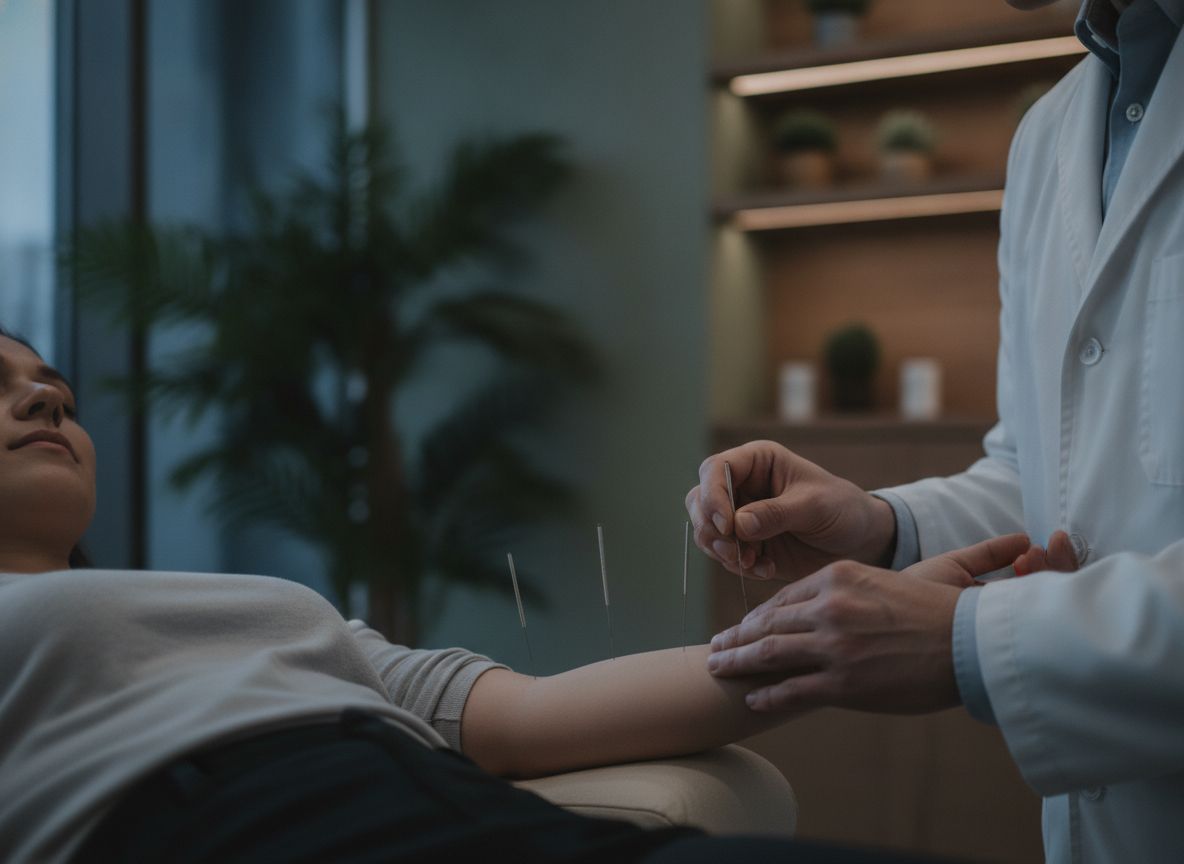
Jing Jin Therapy works through several overlapping mechanisms, each addressing a different dimension of sinew channel dysfunction. A skilled TCM practitioner integrates these mechanisms fluidly within a single treatment session, adjusting technique based on palpatory findings and the patient's response.
Deep and sustained manual pressure applied along sinew channel pathways breaks up the adhesions and restrictions that prevent fascial layers from gliding properly. This restores tissue mobility and reduces the mechanical tension that generates pain signals.
Sinew knots — the pathological lesions that develop within taut bands of muscle and fascia — are directly targeted with sustained compression, acupuncture needling, or instrument-assisted techniques. Deactivating these points eliminates both local pain and the referred pain patterns they create in distant areas.
Stagnant tissues suffer from reduced oxygen delivery and impaired metabolic waste removal, perpetuating a cycle of dysfunction. Jing Jin techniques stimulate blood and lymphatic circulation through the affected channels, delivering nutrients and removing inflammatory mediators that sustain chronic pain states.
Chronic pain almost always involves muscular imbalances — some muscles become overactive and shortened while their counterparts become inhibited. By releasing contracted tissues and stimulating inhibited ones, Jing Jin Therapy helps restore coordinated muscular activation and healthy movement patterns that reduce the risk of recurrence.
At Aimin TCM Clinic, our registered practitioners combine these mechanisms within a personalized treatment framework developed through thorough TCM Consultation, ensuring that every session is precisely calibrated to your specific condition, constitution, and treatment goals.
Jing Jin Therapy demonstrates strong clinical effectiveness across a wide range of musculoskeletal and soft tissue conditions. Its particular strength lies in addressing problems that involve the fascial and connective tissue components of the body — areas that are often missed by treatments focused solely on bones, joints, or individual muscles in isolation.
Cervical strain, tension headaches, desk posture
Lower & mid-back, postural strain, sedentary habits
Shoulder impingement, restricted range of motion
Epicondylitis with sinew channel restrictions
Runners, cyclists, lateral leg channel tightness
Carpal tunnel, de Quervain's, wrist overuse
Muscle strains, tendinopathies, scar prevention
Cervical & cranial sinew channel trigger points
For those dealing with persistent or complex pain presentations, Jing Jin Therapy works synergistically with Aimin's dedicated TCM Pain Management Acupuncture program, providing both targeted sinew channel release and broader meridian-level pain regulation for comprehensive, lasting relief.
Jing Jin Therapy is not a single technique but an integrated system of manual and needling modalities, each deployed according to the practitioner's assessment of what the affected channels require. At Aimin TCM Clinic, our registered practitioners are trained across this full spectrum of approaches, selecting and combining techniques based on your individual presentation.
Precise manual pressure along sinew channel pathways to release deep fascial restrictions and muscular contractures.
Needles placed at ahshi points along affected pathways to restore Wei Qi circulation in superficial fascial layers.
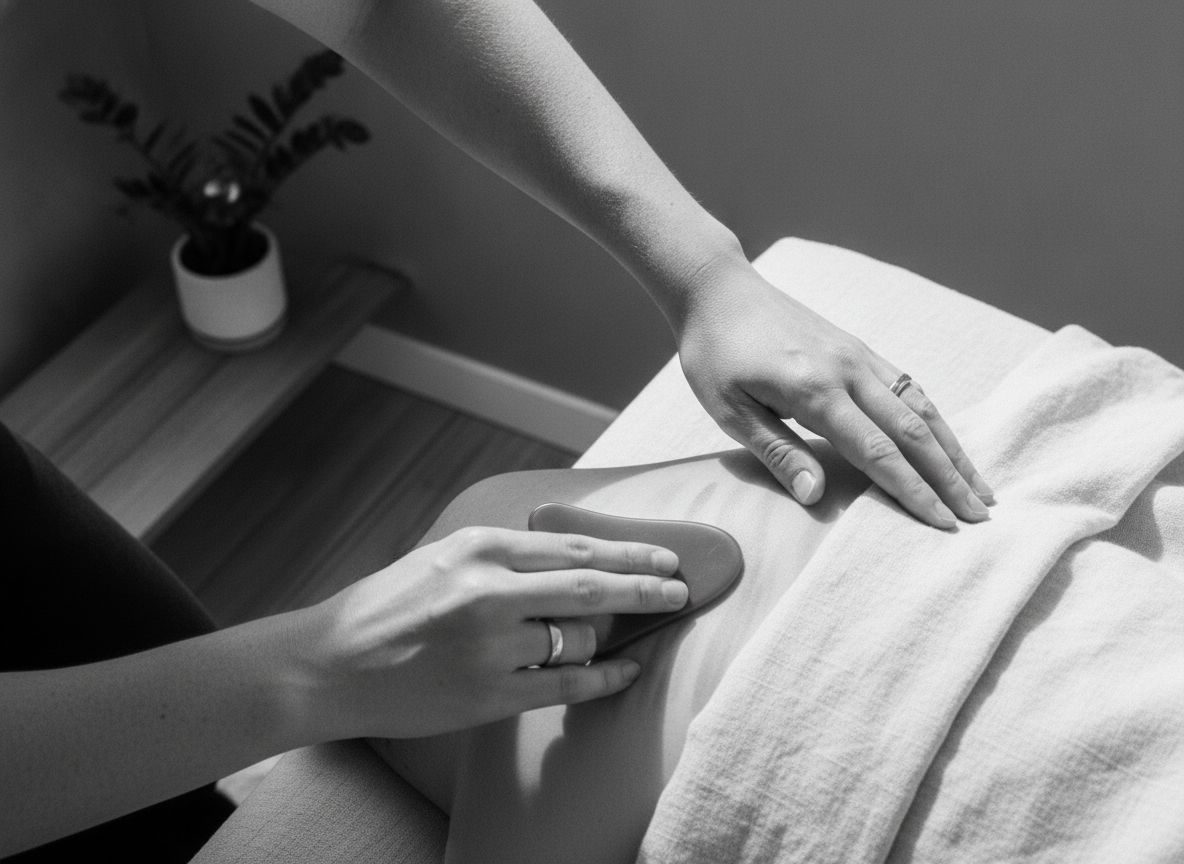
Smooth-edged instrument strokes along channel pathways to release fascial tension and stimulate circulation.
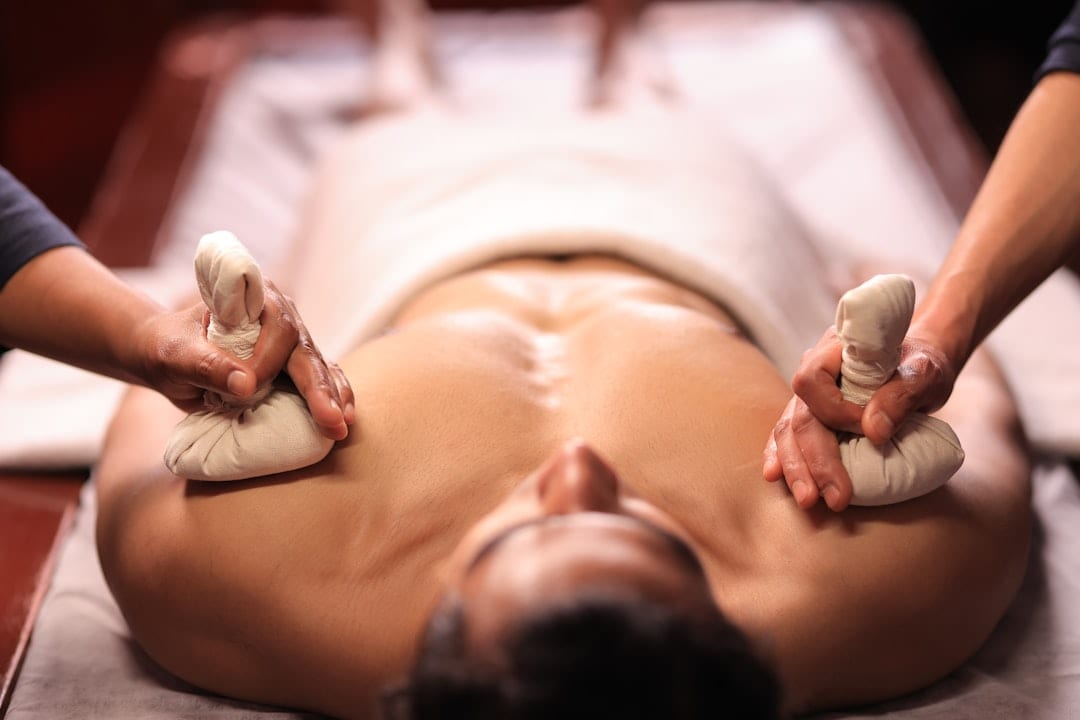
Negative pressure decompresses fascial layers, increases blood flow, and releases deeply embedded tension.
Passive stretches and guided movements restore resting length and retrain healthy neuromuscular patterns.
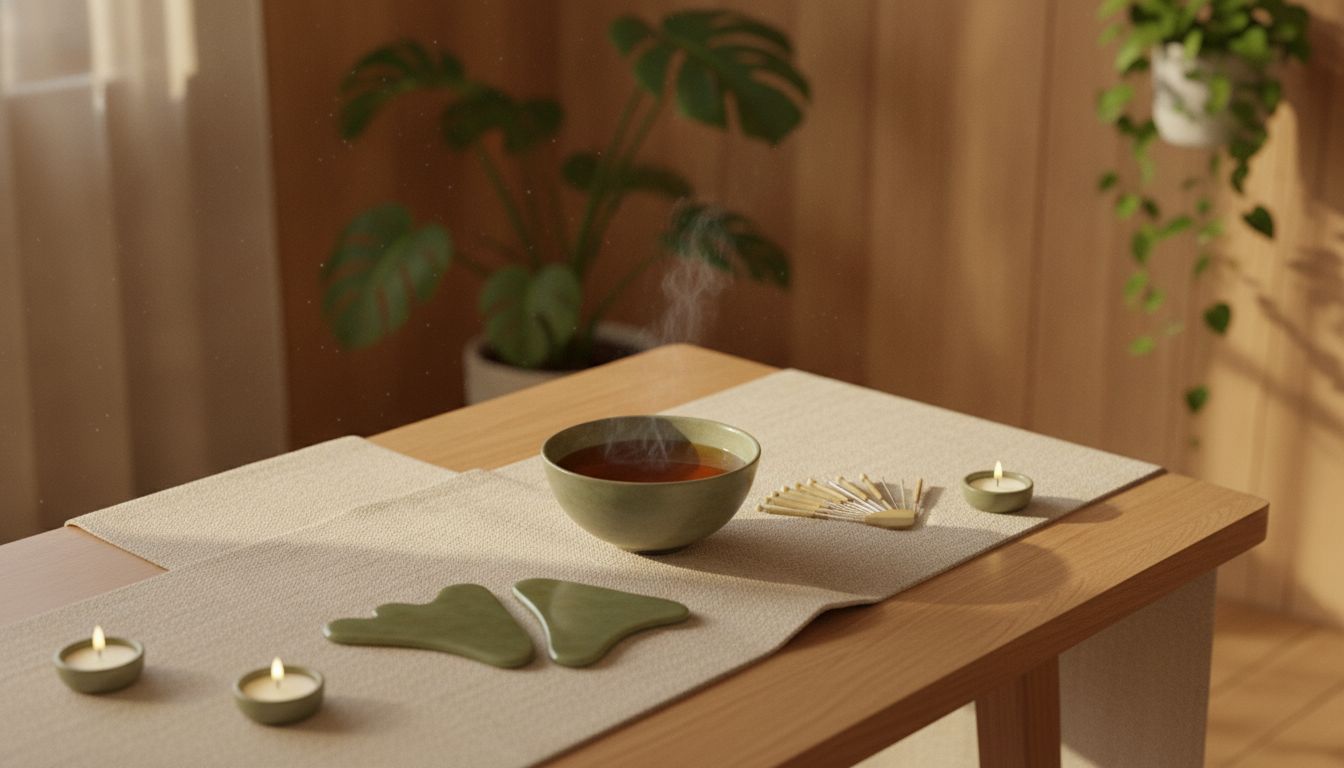
Medicated external applications enhance treatment effects, reduce inflammation, and support tissue repair.
Your first Jing Jin session at Aimin TCM Clinic begins well before any hands-on work. The practitioner will conduct a thorough intake assessment, asking about the nature and history of your pain or dysfunction, what aggravates and relieves it, and how it affects your daily activities. Your overall health, lifestyle patterns, and any relevant medical history are all considered within the TCM diagnostic framework, because sinew channel conditions rarely exist in isolation from the body's broader energetic and physiological state.
A physical examination follows. The practitioner will observe your posture, assess your range of motion in relevant joints, and carefully palpate along the sinew channel pathways in the affected area. They are specifically feeling for areas of tissue thickening, temperature changes, tenderness, and the characteristic taut bands that indicate active jingjie (sinew knots). This palpatory diagnosis is what distinguishes Jing Jin Therapy from guesswork — the treatment plan emerges directly from what the practitioner finds in your tissues.
Full TCM intake — pain history, posture assessment & palpation along sinew channel pathways.
45–60 min hands-on session. Firm therapeutic pressure; most feel immediate mobility improvements.
Acute: 3–5 sessions. Chronic: 8–12 sessions. Clear milestones outlined from the outset.
Good to know: Mild post-treatment soreness (like post-exercise ache) in the 24–48 hours after is normal and a sign of tissue release. Stay well-hydrated to support recovery.
The hands-on treatment typically lasts between 45 and 60 minutes. Pressure can be firm, and working directly on areas of significant restriction or active trigger points will produce a therapeutic discomfort that most patients describe as a "good pain" — intense but clearly working on something that needs attention. Practitioners communicate throughout the session and adjust pressure to work within your tolerance. Many patients notice immediate improvements in mobility or pain reduction following treatment.
The benefits of Jing Jin Therapy extend well beyond simple pain relief, reflecting the therapy's capacity to address dysfunction at a structural, circulatory, and energetic level simultaneously.
Resolves root causes, not just symptoms
Improved joint range & ease of movement
Balances fascial tension for natural alignment
Reduce reliance on pain medication
Reduces tissue vulnerability & recurrence
Better nutrient delivery & waste removal
For those pursuing holistic health transformation, Jing Jin Therapy can also complement weight management goals by supporting metabolic circulation and fascial health. This makes it a natural partner to Aimin's TCM Shi-Style Weight Loss Acupuncture for patients working on multiple health dimensions simultaneously.
Jing Jin Therapy is well suited for a broad range of people, particularly those whose pain or dysfunction has a significant soft tissue and fascial component. You are likely to be a good candidate if you fall into one of the following profiles:
Jing Jin Therapy represents one of Traditional Chinese Medicine's most sophisticated and clinically targeted tools for addressing musculoskeletal pain and dysfunction. By working directly with the body's sinew channels — the fascial and musculotendinous pathways that have been described in classical TCM texts for over two millennia — this therapy reaches the structural root causes of chronic pain, restricted movement, and recurring injury.
At Aimin TCM Clinic, Jing Jin Therapy is delivered by registered TCM practitioners trained in the full spectrum of classical techniques. Whether your challenge is a long-standing sports injury, a desk-related postural pattern, or complex musculoskeletal pain, Jing Jin Therapy offers a proven pathway toward lasting improvement.
While Jing Jin Therapy is safe and well-tolerated for most people, certain conditions warrant caution or temporary avoidance. Pregnant women, particularly those in the third trimester, should avoid deep work on the abdomen and lower back. Individuals with active skin conditions, open wounds, or ulcerations in the treatment area are not suitable candidates until those conditions have resolved. People with bleeding disorders or those taking blood-thinning medications should consult their healthcare provider before proceeding, and those with significant liver or kidney dysfunction require medical coordination prior to treatment.
Acute inflammatory conditions with significant swelling, active infections, fractures, or severe osteoporosis in the treatment area also require medical clearance before Jing Jin techniques can be safely applied. The good news is that many of these are temporary contraindications — once the acute phase has resolved, Jing Jin Therapy can often play a valuable role in the recovery process. During your initial TCM Consultation at Aimin, your practitioner will conduct a thorough assessment to determine whether Jing Jin Therapy is appropriate for your specific situation and, if needed, recommend a safer starting point or complementary approach.
Award-winning registered TCM practitioners at Aimin's Central & East Singapore branches are ready to assess your condition and create a personalized Jing Jin treatment plan.