Irregular eating
Skipping meals, eating late at night, or rushing through food strains Spleen function.

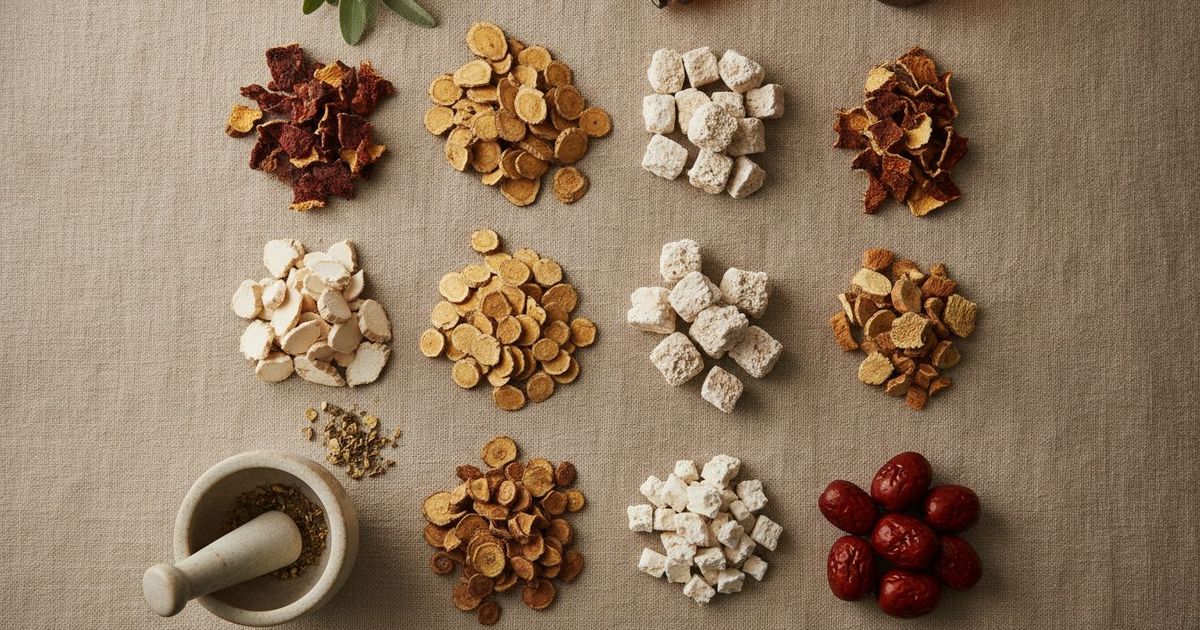
A practical guide to the TCM herbs and classical formulas traditionally used to strengthen digestion, restore energy, and support overall vitality.
In Traditional Chinese Medicine, the Spleen is far more than a digestive organ. It is the body’s central transformation and transportation hub, responsible for turning food and drink into usable qi (vital energy) and blood. When Spleen Qi becomes weak or depleted, a cascade of symptoms can appear: fatigue, bloating, loose stools, brain fog, and a tendency to gain weight despite eating modestly.
The good news is that spleen qi deficiency responds well to the right combination of Chinese herbs, dietary adjustments, and lifestyle changes. In this guide, we’ll look at the most commonly used herbs, classical prescriptions, and practical tips to help you discuss options confidently with a registered TCM practitioner.
A weakened Spleen often shows up in digestion, energy, and fluid metabolism. Here are the signs TCM practitioners typically look for.
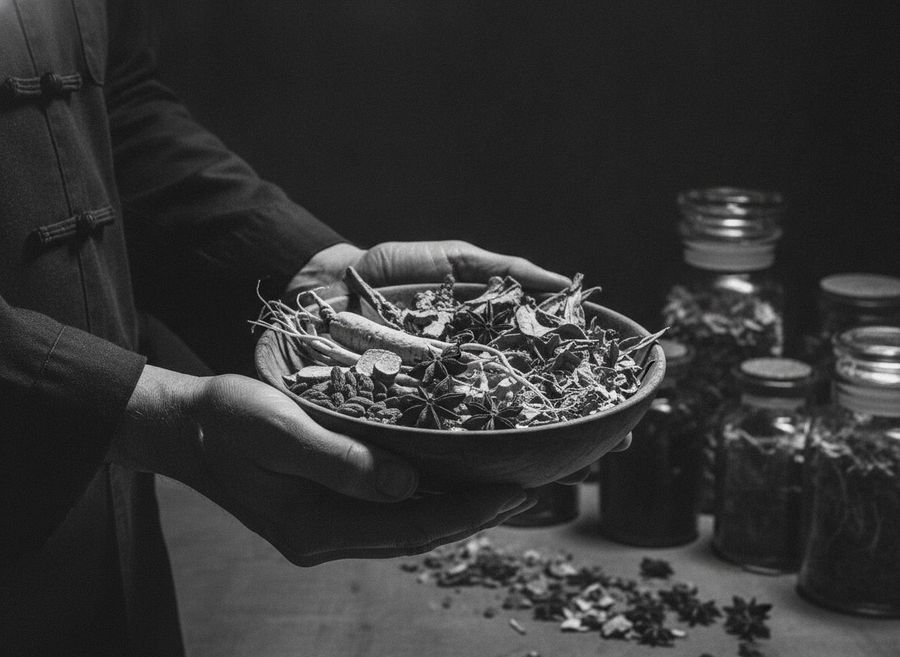
In TCM, these patterns are rarely isolated. A practitioner will also check your tongue (often pale with tooth marks) and pulse (typically weak or soggy) to confirm the diagnosis.
Skipping meals, eating late at night, or rushing through food strains Spleen function.
Excessive iced drinks, salads, and dairy can dampen the digestive fire over time.
Worry and rumination are said to knot the Spleen, weakening its transformative capacity.
Long hours of sitting slow qi and fluid movement, contributing to dampness.
These herbs are frequently combined in classical formulas to tonify Spleen Qi, drain dampness, and support digestive harmony.
Traditionally used to boost qi, lift yang, and support immune resilience. Often included when fatigue and prolapse-like sensations are present.
Tonifies Spleen Qi & YangKnown for strengthening the Spleen and drying dampness. Commonly chosen when bloating, loose stools, or water retention are prominent.
Strengthens & Dries DampnessA gentle fungus that drains dampness, calms the mind, and supports Spleen function without being overly drying.
Drains Damp, Calms ShenA milder qi tonic often used as a gentler alternative to ginseng. Supports energy, appetite, and digestive recovery.
Gentle Qi TonicOften called the “harmoniser” of formulas. It tonifies the Spleen, moistens the lungs, and moderates the action of stronger herbs.
Harmonises & TonifiesHelps move qi, resolve food stagnation, and reduce bloating. Adds digestive warmth and aromatic regulation.
Regulates Qi & DigestionThese time-tested formulas are often modified by practitioners to match your individual pattern. Dosage and composition should always be personalised.
The foundational formula for Spleen Qi deficiency. It combines Ren Shen (or Dang Shen), Bai Zhu, Fu Ling, and Gan Cao to gently restore digestive strength, reduce bloating, and improve energy.
Best for: fatigue, poor appetite, loose stools, and weak pulse.
Si Jun Zi Tang plus Chen Pi and Ban Xia. This expanded formula adds qi-moving and phlegm-resolving properties, making it useful when dampness and nausea accompany Spleen weakness.
Best for: bloating with nausea, productive cough, or a thick greasy tongue coating.
A Spleen-strengthening formula with added damp-draining herbs such as Yi Yi Ren and Shan Yao. It is often used for chronic loose stools, poor absorption, and a heavy, tired feeling.
Best for: persistent digestive weakness with water retention or loose stools.
This formula raises yang and lifts sinking qi. It includes Huang Qi and Sheng Ma to address patterns where fatigue is severe, accompanied by a dragging sensation or prolapse tendencies.
Best for: exhaustion worse after exertion, shortness of breath, or a bearing-down sensation.
Book a consultation at Aimin TCM Clinic and receive a personalised herbal prescription tailored to your unique constitution and symptoms.